Grid-tied
Solar generation that runs alongside the grid to cut daytime consumption: the lowest cost per kWh for sites with a reliable supply.

Grid-tied, hybrid and off-grid solar PV with battery storage for industrial, commercial and institutional clients, designed and installed by our own engineers.
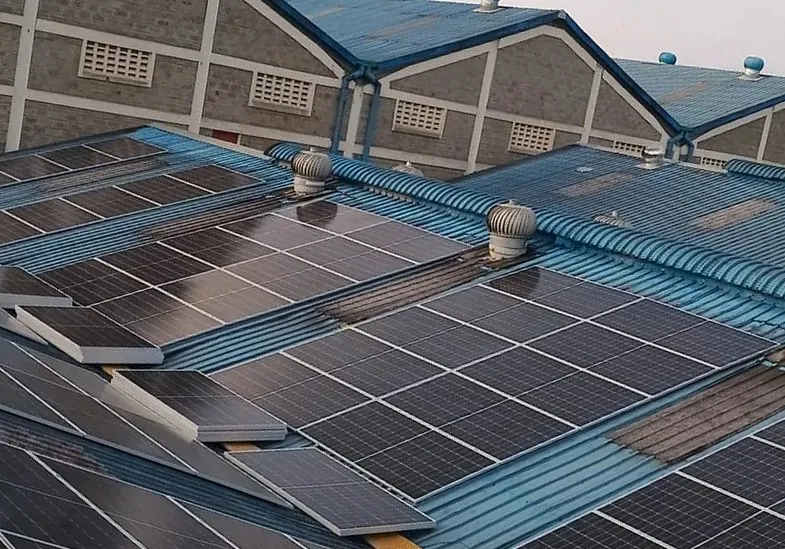
Solar generation that runs alongside the grid to cut daytime consumption: the lowest cost per kWh for sites with a reliable supply.
Solar plus battery storage and hybrid inverters for backup during outages and to shift solar energy into the evening.
Independent systems for full energy autonomy at remote sites, lodges and camps, including solar-diesel hybrid site power.
East Africa has strong sunshine all year round, so solar suits almost any site with daytime demand. These are the projects we design most often.
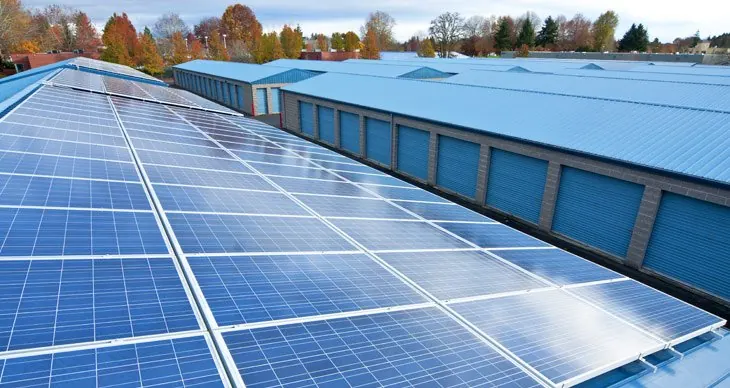
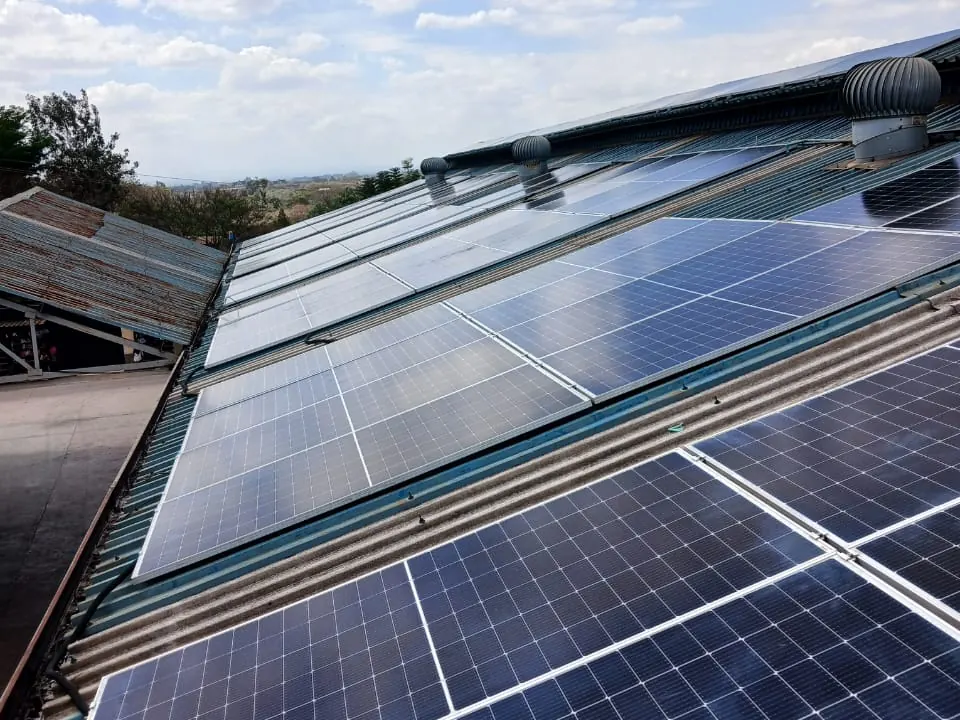
Factory, warehouse and office roofs, where daytime demand matches solar output and payback is fastest.
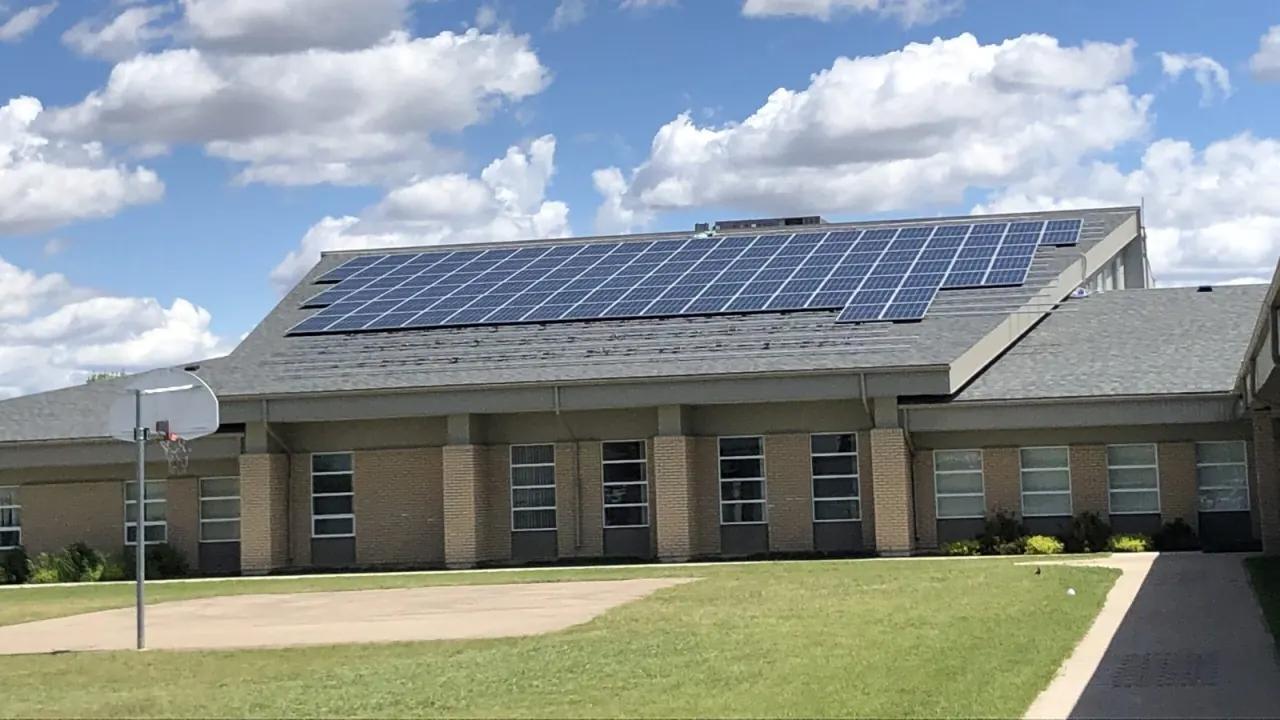
Schools, hospitals and public buildings, with battery storage where the power must stay on.
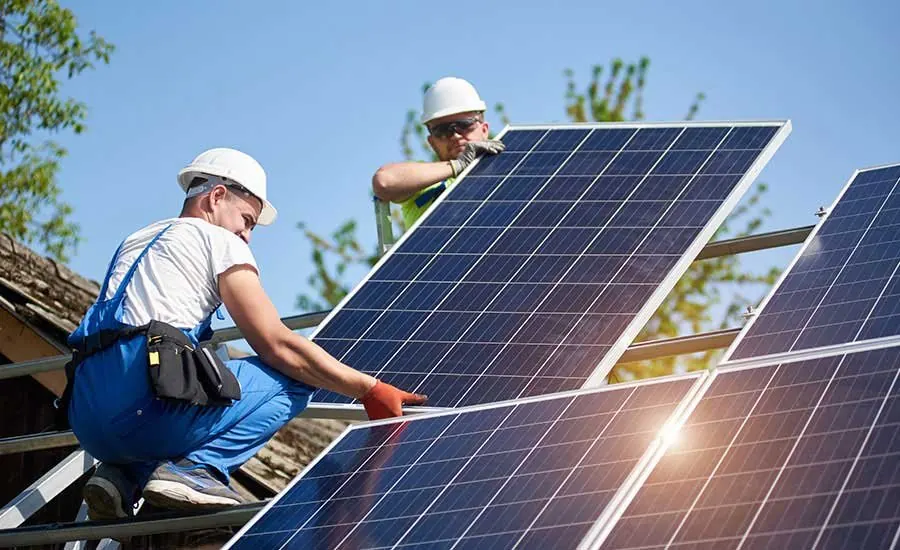
Residential rooftops that cut or replace grid supply, with optional batteries for backup and evening use.
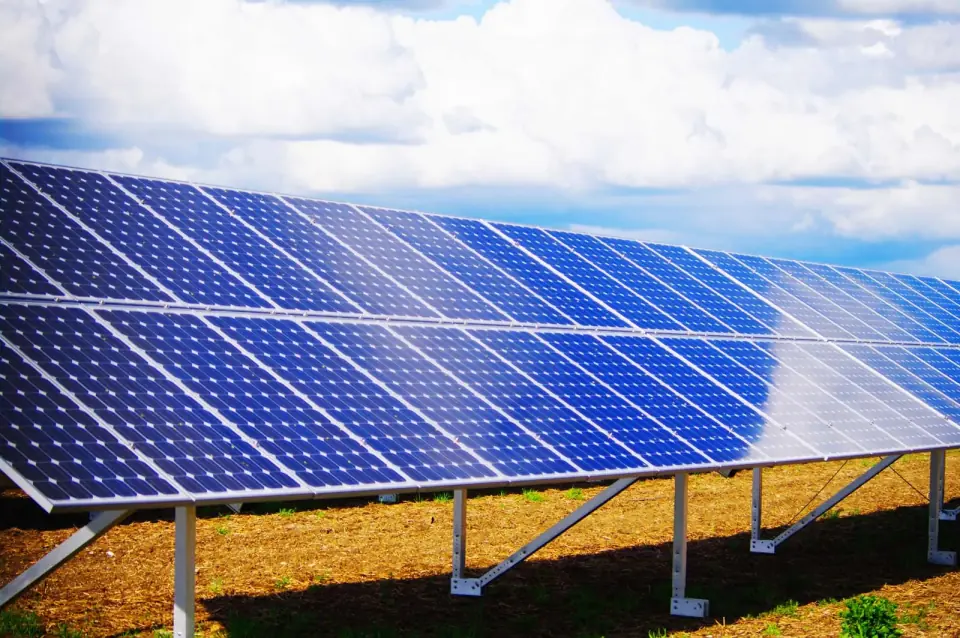
Larger arrays on open land for estates, farms, lodges and industrial sites without enough roof space.
Solar is only as good as its integration with the rest of the electrical system. Because our solar work is backed by an EPRA Class A-1 engineering team, we handle protection, switchgear, power quality and grid connection in-house.
Combined with energy efficiency first, a smaller system covers more of your load and pays back sooner.
Twende Solar's team began in Europe, where it completed more than 4,000 residential installations, before installing solar on government and private buildings in Seychelles. In Kenya it now delivers industrial, commercial and residential systems.
Solar also pairs naturally with heat pumps: a heat pump multiplies every unit of solar electricity into several units of hot water.
Twende Solar sources modules, inverters and batteries through its manufacturing partners and its own office in China, giving direct access to current equipment at competitive prices.
Dust, pollen and bird droppings can noticeably cut the output of a solar array, especially on industrial sites and in the dry season. Our maintenance plans include scheduled panel cleaning, inspection of modules, cabling, connections and protection, and inverter checks.
Remote monitoring compares actual generation with the design yield, so a fault or a dirty array shows up in days, not at the next electricity bill.
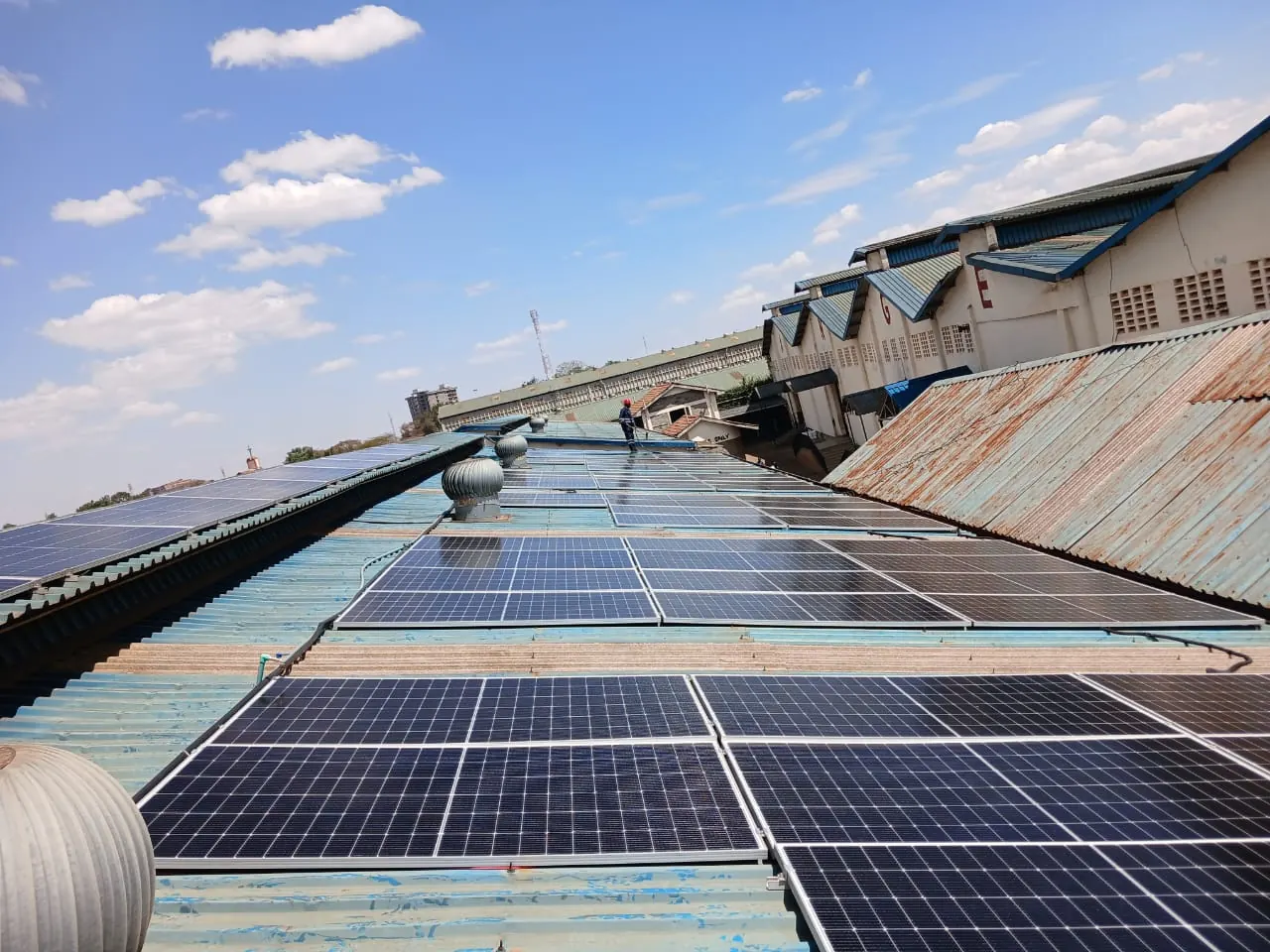
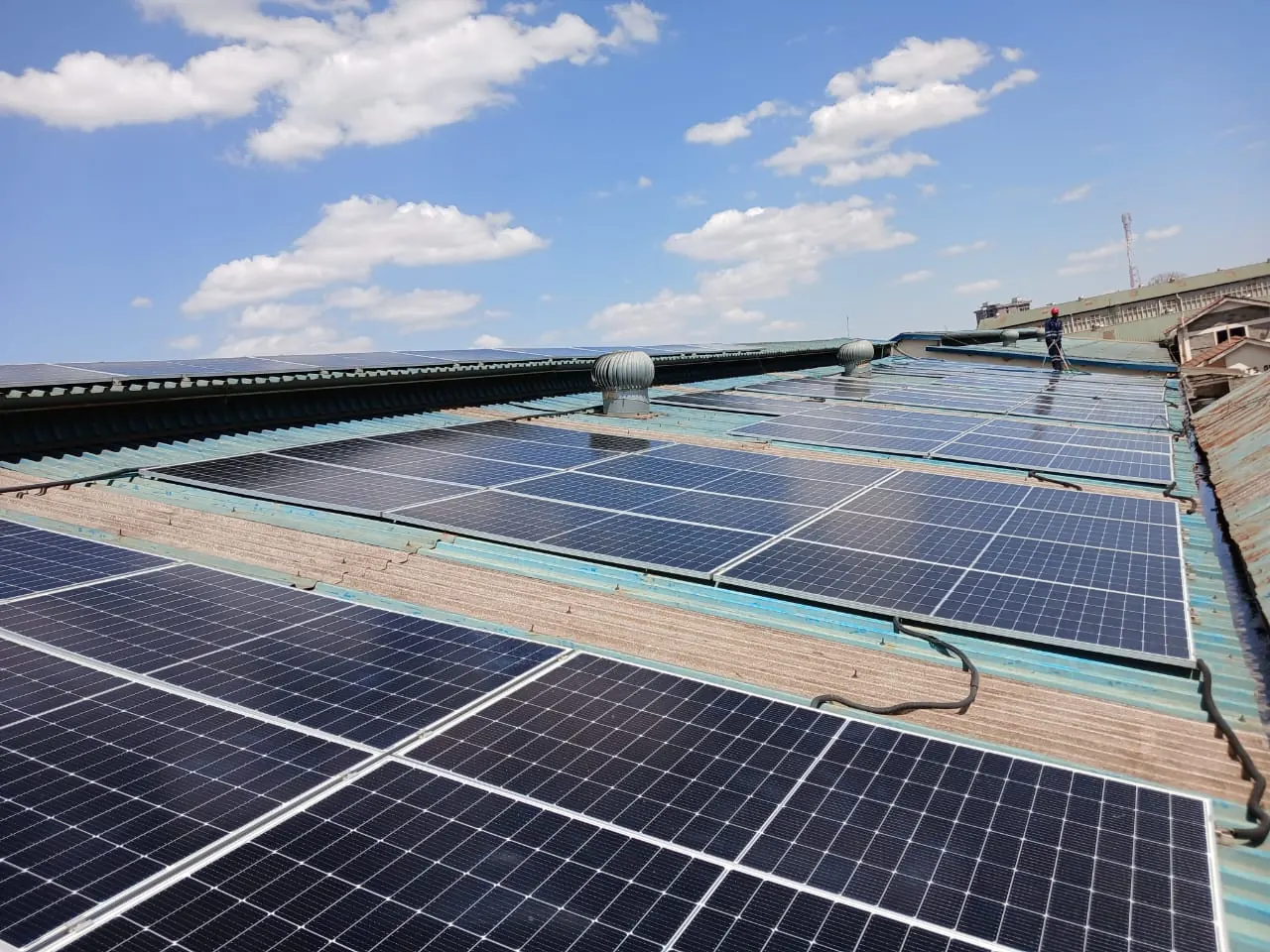
Yes. Through Twende Solar we design and install grid-tied, hybrid and off-grid solar PV systems, with battery storage, hybrid inverters and monitoring.
From residential rooftops to commercial, industrial and utility-scale plants. We have completed over 100 solar projects, including a 600 kWp plant for a manufacturer in Kenya.
Yes. We hold EPRA Solar PV Contractor V1 and Solar PV Importer V2, C1 licences, and an EPRA Class A-1 electrical contractor licence covering grid connection works at any voltage, including 220 kV and above.
Usually, yes. Reducing losses first means a smaller, cheaper solar system covers more of your load. Our feasibility study looks at both together.
No. For safety, a grid-tied inverter switches off when the grid fails. To keep power on during outages you need a hybrid system with batteries, which we size for the loads that matter most.
Roughly 5 to 6 square metres per kWp on a well-oriented roof, so a 100 kWp system needs about 500 to 600 square metres. The site survey confirms the layout and the roof structure.
Solar panels usually carry 25-year performance warranties and keep generating beyond that. Inverters typically need replacing once during that time, and battery life depends on the chemistry and how hard they are cycled.
Yes. A domestic heat pump draws only about 400 to 500 watts, so solar PV can run it during the day, with batteries for the evening. We design the two together.
Yes. Twende Solar has installed solar on government and private buildings in Seychelles, and our Mahé office supports projects across the islands.
Share your electricity bills and site details and we'll show the right system size, the investment and the payback.